Showing posts with label Thalassemia symptoms. Show all posts
Showing posts with label Thalassemia symptoms. Show all posts
Saturday, 14 May 2016

Delta Thalassemia is the Reason of Hemoglobins Abnormality
Delta-Thalassemia
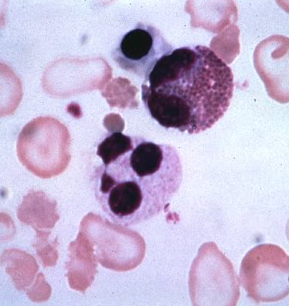
As well as alpha and beta chains present in hemoglobin,
about 3% of adult hemoglobin is made of alpha and delta chains. Just as with
beta Thalassemia, mutations that affect the ability of this gene to produce
delta chains can occur.
Alpha Thalassemia - Severe Genetical Blood Disorder
Alpha-Thalassemia

The α-Thalassemia involves the genes HBA1 and HBA2,
inherited in a Mendelian recessive fashion. Two gene loci and so four alleles
exist. It is also connected to the deletion of the 16p chromosome. α Thalassemia
result in decreased alpha-globin pro
duction, therefore fewer alpha-globin
chains are produced, resulting in an excess of β chains in adults and excess γ
chains in newborns. The excess β chains form unstable tetramers (called
hemoglobin H or HbH of 4 beta chains), which have abnormal oxygen dissociation
curves.Thalassemia: Signs and symptoms
 |
| Abnormality Seems Clear in Thalassemics |
Iron overload:
People with Thalassemia can get an overload of iron in their bodies, either
from the disease itself or from frequent blood transfusions. Too much iron can
result in damage to the heart, liver, and endocrine system, which includes
glands that produce hormones that regulate processes throughout the body. The
damage is characterized by excessive deposits of iron. Without adequate iron
chelation therapy, almost all patients with beta-Thalassemia accumulate potentially
fatal iron levels.
Infection:
People with Thalassemia have an increased risk of infection. This is especially
true if the spleen has been removed.
Bone deformities:
Thalassemia can make the bone marrow expand, which causes bones to widen. This
can result in abnormal bone structure, especially in the face and skull. Bone
marrow expansion also makes bones thin and brittle, increasing the risk of
broken bones.
Enlarged spleen:
The spleen aids in fighting infection and filters unwanted material, such as
old or damaged blood cells. Thalassemia is often accompanied by the destruction
of a large number of red blood cells and the task of removing these cells
causes the spleen to enlarge. Splenomegaly can make anemia worse, and it can
reduce the life of transfused red blood cells. Severe enlargement of the spleen
may necessitate its removal.
Slowed growth
rates: Anemia can cause a child's growth to slow. Puberty also may be
delayed in children with Thalassemia.
Heart problems:
Diseases, such as congestive heart failure and abnormal heart rhythms, may be
associated with severe Thalassemia.
Subscribe to:
Posts (Atom)